

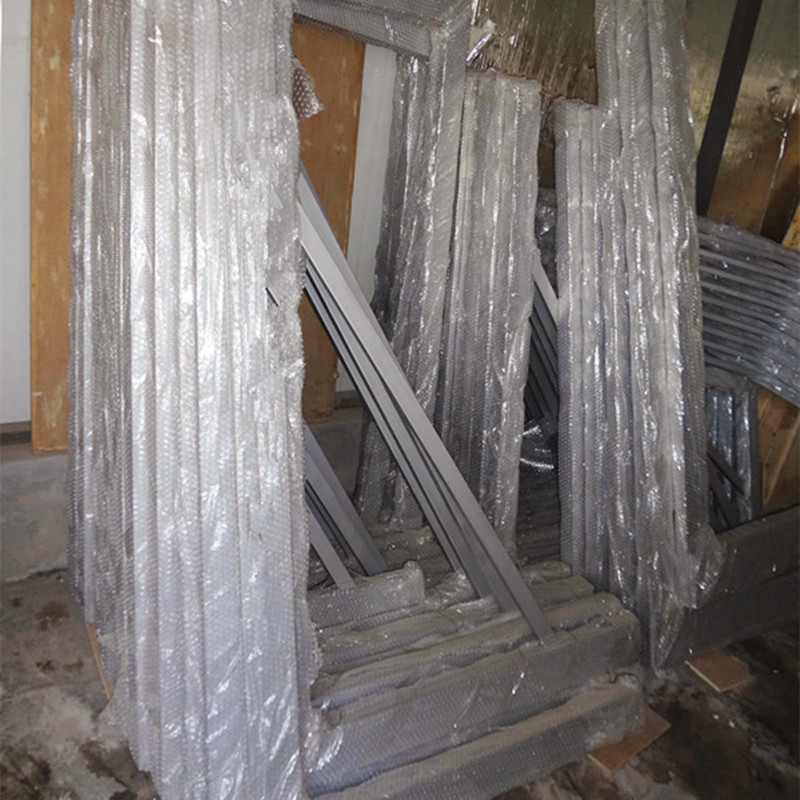
sunroom glass panels
Understanding Micrometer Sets A Comprehensive Guide Micrometer sets are essential tools in the field of precision measurement. They are widely used in various industries, including manufacturing, engineering, and metalworking. A micrometer is an instrument designed to measure small dimensions with high accuracy. Typically, they are used to measure thickness, diameter, and depth with precision down to thousands of a millimeter or more. This article will delve into the components, uses, and benefits of micrometer sets, making you appreciate these valuable tools even more. What is a Micrometer? A micrometer, often referred to as a micrometer screw gauge, consists of a frame, an anvil, a spindle, a thimble, and a measuring scale. The device works based on the principle of a screw, where a small rotation of the thimble results in a much larger linear movement of the spindle. This increase in precision allows machinists and engineers to measure a variety of dimensions with a high degree of accuracy. Components of a Micrometer Set 1. Anvil and Spindle The anvil is a stationary part of the micrometer, while the spindle is movable. When measuring an object, the spindle moves towards the anvil, compressing the object between them. 2. Thimble and Ratchet The thimble has a scale that provides measurements. The ratchet mechanism helps in applying a consistent force to prevent over-tightening, ensuring accurate and consistent readings. 3. Scale Micrometers typically come with two scales the main scale on the barrel and the vernier scale on the thimble. The combination allows for precise readings, usually to the nearest 0.01 mm or finer. 4. Different Types Micrometer sets can include various types specialized for different measurements, such as external micrometers for outer dimensions, internal micrometers for internal dimensions, and depth micrometers for measuring the depth of holes or recesses. micrometer set Uses of Micrometer Sets Micrometer sets are invaluable in many applications. They are primarily used in manufacturing and engineering contexts where exact measurements are crucial. For example, when creating cylindrical components, ensuring accurate diameters can mean the difference between a functioning part and one that is unusable. Additionally, in quality control processes, micrometers help ensure that parts meet specified tolerances, which supports overall product quality. In the field of woodworking, micrometers assist in achieving precise cuts and measurements, enhancing both aesthetics and functionality. They are also helpful in the sciences, particularly in laboratories where accurate measurements of small dimensions are required. Benefits of Using Micrometer Sets The primary benefit of micrometer sets is their accuracy. They can provide measurement readings that are often more precise than those obtained from calipers or other measuring tools. Moreover, micrometers are typically easier to read than vernier calipers, thanks to their clear scale designs. Another advantage is their ease of use. Most micrometers come with user-friendly designs that allow even novice users to achieve accurate measurements with minimal training. Furthermore, the durability of micrometers ensures they can withstand rigorous use in industrial settings, making them a cost-effective investment in long-term precision measurement. Conclusion In conclusion, micrometer sets are fundamental tools in the precision measurement arsenal. Their ability to provide highly accurate measurements makes them indispensable in numerous fields, including manufacturing, engineering, and beyond. Understanding their components, uses, and benefits allows professionals and hobbyists alike to leverage these tools to improve the quality and accuracy of their work. Whether you are a seasoned professional or just starting, investing in a quality micrometer set is sure to enhance your measuring capabilities.
about
sunroom glass panels
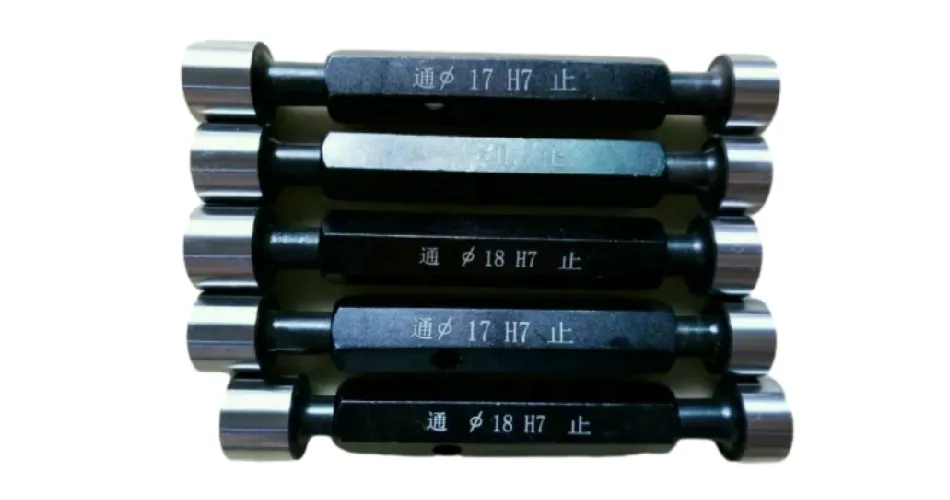
Understanding Plug Ring Gauges A Key Tool in Precision Engineering Plug ring gauges are essential tools in the field of precision engineering, widely used for measuring and verifying the dimensions of holes and cylindrical features. These gauges play a crucial role in ensuring that components fit together precisely, which is vital in manufacturing industries such as automotive, aerospace, and machinery. The plug ring gauge is designed to check the internal diameter of holes, ensuring they meet specified tolerances. Typically, these gauges come in two forms go and no-go gauges. The go gauge is designed to fit into the hole, confirming that the diameter is within the acceptable range, while the no-go gauge should not fit, indicating that the hole is either too large or out of specification. This binary approach to measurements helps streamline quality control processes and maintain consistency in production. One of the main advantages of using plug ring gauges is their ability to provide immediate feedback on the workpiece. When operators check dimensions using these gauges, they can quickly identify any deviations from the desired specifications . This immediacy allows for rapid adjustments during the manufacturing process, reducing waste and ensuring high-quality output. plug ring gauge Manufacturers often use plug ring gauges in conjunction with other measurement tools, such as calipers and micrometers, for comprehensive quality assurance. However, the plug ring gauge’s simplicity and ease of use make it a preferred choice in many settings. With minimal training, operators can effectively utilize these gauges to verify dimensions, making them accessible even for less experienced personnel. Another crucial aspect of plug ring gauges is their calibration and maintenance. Regular calibration is necessary to ensure that the gauges provide accurate measurements over time. Manufacturers must adhere to strict guidelines to maintain the integrity and precision of these tools, as even minor errors can lead to significant discrepancies in product quality. In conclusion, plug ring gauges are invaluable instruments in precision engineering, facilitating accurate measurement and quality assurance in manufacturing processes. Their role in ensuring that components meet strict dimensional tolerances cannot be overstated, contributing to the reliability and performance of the final products. As industries continue to advance, the importance of such measurement tools will remain paramount in achieving excellence in engineering.
-

High quality industrial productsagement

High quality industrial products
View Details -

Meet the diverse needs of customers

Meet the diverse needs of customers
View Details -

Strict quality control

Strict quality control
View Details -

Top raw materials

Top raw materials
View Details -

Trusted supplier

Trusted supplier
View Details
Our application


news and information

Versatile Thread Gauge for Precision Measurement and Adjustability in Mechanical Applications
Understanding Adjustable Thread Gauges A Tool for Precision Measurement In the world of engineering
Valvola a farfalla da 50 mm per applicazioni industriali e sistemi di tubazioni
Valvola a Farfalla da 50 mm Un Elemento Chiave per il Controllo dei Fluidi La valvola a farfalla rap
valve gate valve
Understanding Valve Gate Valves An Essential Component in Modern Industry In various industrial appl
 English